Thoughtful Material Choices: Getting the Most from Your Budget and Ambitions

Thoughtful Material Choices: Getting the Most from Your Budget and Ambitions
When you start a building or renovation project, the materials you choose are among the most important decisions you’ll make. They influence not only the look and durability of your space, but also your budget, environmental footprint, and daily comfort. Whether you’re building a new home, remodeling a kitchen, or simply updating a room, the goal is to find the right balance between cost, quality, and sustainability. Here’s how to make thoughtful material choices that help you get the most from both your budget and your ambitions.
Know Your Needs—and Your Budget
Before diving into the world of materials, take time to define your needs. Will the material need to withstand heavy wear, moisture, or temperature changes? Or is appearance your top priority? Make a list of what matters most to you—price, aesthetics, maintenance, environmental impact, or lifespan. This will help you make informed decisions when comparing options or talking with contractors.
A realistic budget is just as essential. Many projects go over budget because material costs are underestimated, especially when aiming for high quality. Set a clear spending limit and include a 10–15% buffer for unexpected expenses. That cushion can make the difference between finishing comfortably and feeling stretched.
Quality Pays Off—But Not Always
It’s tempting to assume that the most expensive materials are always the best. But higher cost doesn’t automatically mean better performance. Sometimes, a more affordable alternative can deliver nearly the same look and function when used wisely.
Take flooring, for example: solid oak is beautiful and durable, but engineered wood or high-quality vinyl planks can achieve a similar appearance at a lower price—and often with less maintenance. The same goes for countertops. While natural stone is timeless, today’s laminates and quartz composites can mimic the look of marble or granite while offering greater resistance to stains and scratches.
Think about where the material will be used and how much wear it will face. Invest in quality where it truly matters—like kitchen counters or exterior siding—and save where you can without compromising function.
Think Sustainably—for the Planet and Your Wallet
Sustainability isn’t just about choosing eco-friendly materials; it’s also about longevity and resource efficiency. A product that lasts 30 years is often a better environmental and financial choice than one that needs replacing every five.
Look for certifications such as FSC (Forest Stewardship Council) for responsibly sourced wood or GREENGUARD for low-emission products. Reclaimed materials—like salvaged brick, barn wood, or vintage fixtures—can add character and history to your project while reducing waste.
You can also design with sustainability in mind. Choose timeless styles over fleeting trends so you won’t feel the urge to remodel again in a few years. A classic design paired with durable materials is both eco-friendly and cost-effective.
Maintenance: The Hidden Cost
A material may look perfect in a showroom but require ongoing care to stay that way. Consider how much time and effort you’re willing to invest in maintenance.
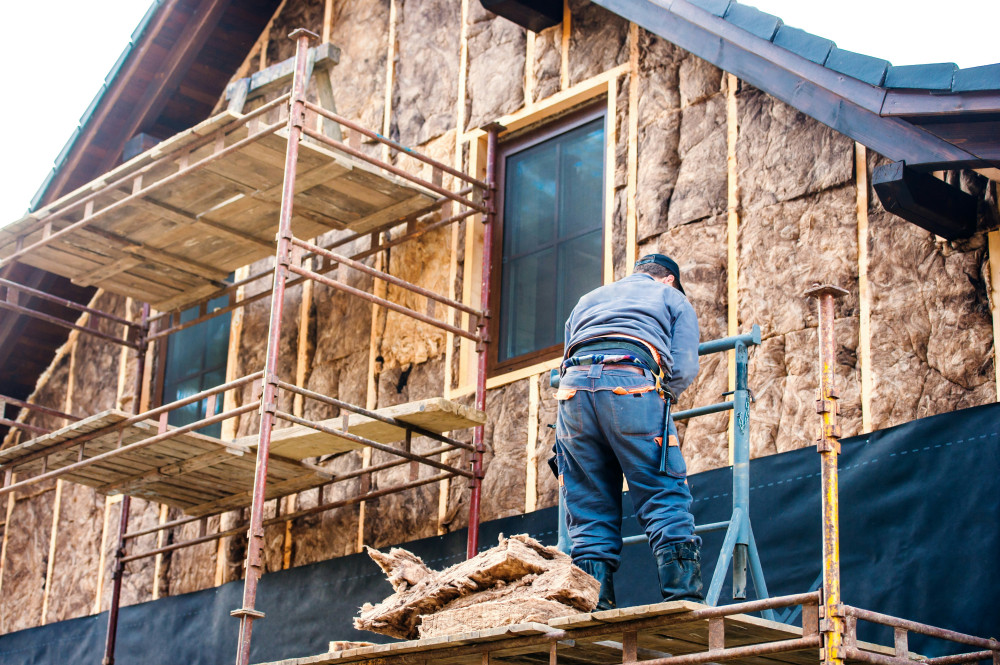
Natural materials like wood and stone often need periodic sealing or oiling, while composites and laminates are largely maintenance-free. For outdoor projects, the difference can be even greater: pressure-treated wood decks need regular staining or sealing, while aluminum or fiber-cement siding can last decades with minimal upkeep.
Think long-term—a low-maintenance material may cost more upfront but save you time and money over the years.
Mix and Match for the Best Results
A successful design doesn’t have to rely on a single material. Combining materials can create visual interest, improve performance, and help you stay within budget.
For instance, a kitchen might feature warm wood cabinet fronts paired with a durable quartz countertop. In a bathroom, mixing tile and painted surfaces can add texture and save money without sacrificing quality. Blending materials also allows you to highlight contrasts—like pairing sleek metal with natural stone—for a look that feels both personal and balanced.
Seek Expert Advice
Even with thorough research, professional guidance can be invaluable. Talk with contractors, architects, or design consultants before making final decisions. They can point out practical considerations you might overlook or suggest alternatives that better fit your goals.
Ask about warranties, maintenance requirements, and expected lifespan. Whenever possible, handle material samples in person—textures and colors often look different in real life than on a screen.
Læs også:
Material Choices as an Investment
Choosing materials thoughtfully is ultimately about seeing the bigger picture. It’s an investment—not just in your home, but in your everyday life. When your materials align with your budget, lifestyle, and values, the result is a space that feels right, functions well, and stands the test of time.
A well-considered material choice can be the difference between a project that simply looks good and one that truly feels like home.
Læs også: