Long-Term Value in New Construction – Choose Solutions That Pay Off

Long-Term Value in New Construction – Choose Solutions That Pay Off
When building a new home, it’s easy to focus on what you can see: the kitchen design, flooring, and exterior style. But the choices that truly pay off over time are often hidden behind the walls, under the roof, and within the systems that make your home function. Long-term value in new construction is about thinking holistically—financially, environmentally, and practically. Here’s how to make decisions that will serve you well for decades.
Think Total Cost of Ownership – Not Just the Price Tag
High-quality materials and energy-efficient systems may seem expensive upfront, but they often save money in the long run. When evaluating a product or solution, look at the total cost of ownership—including purchase price, maintenance, energy use, and lifespan.
For example, a cheaper window might save you money today but could require frequent repainting or replacement. A premium, well-insulated window can lower your energy bills and last for decades. The same principle applies to roofing, insulation, and mechanical systems.
Energy Efficiency and Sustainability
Modern homes should be energy-efficient from the start. It’s not just about meeting building codes—it’s about creating a comfortable, healthy, and affordable home to live in.
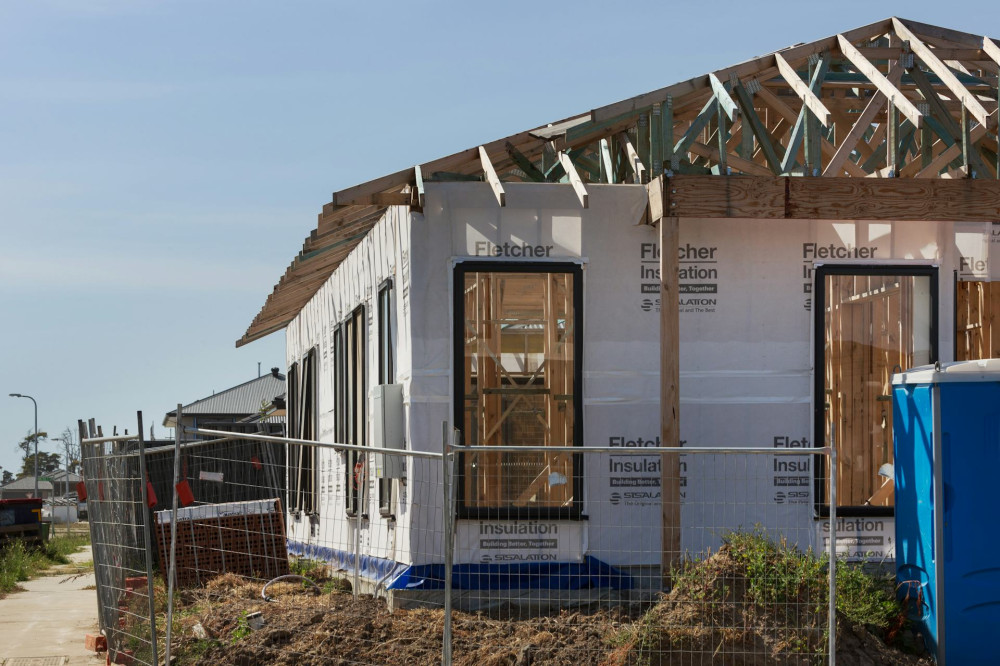
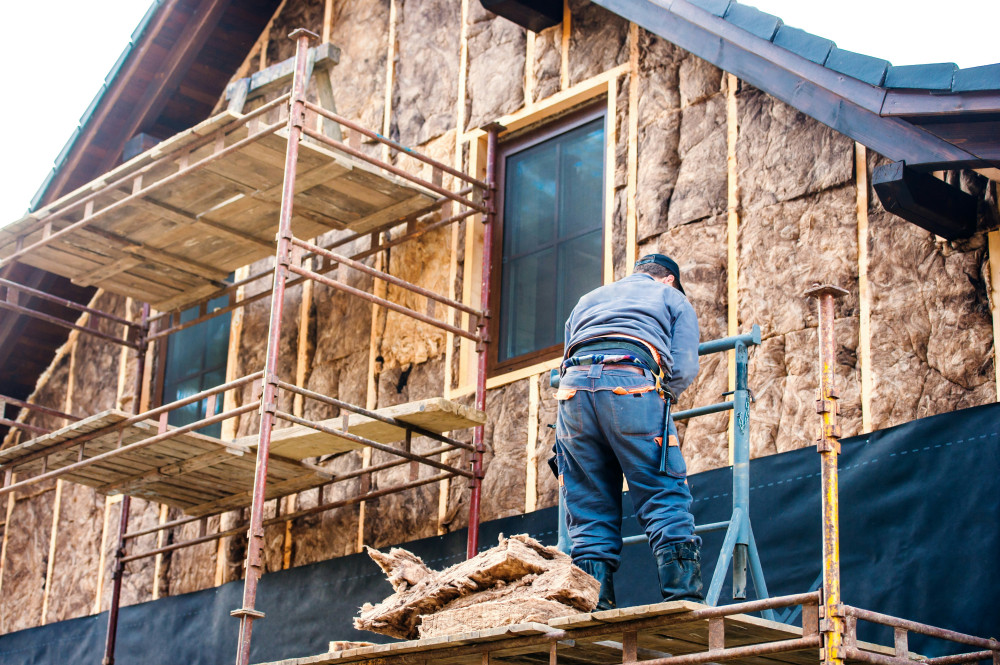
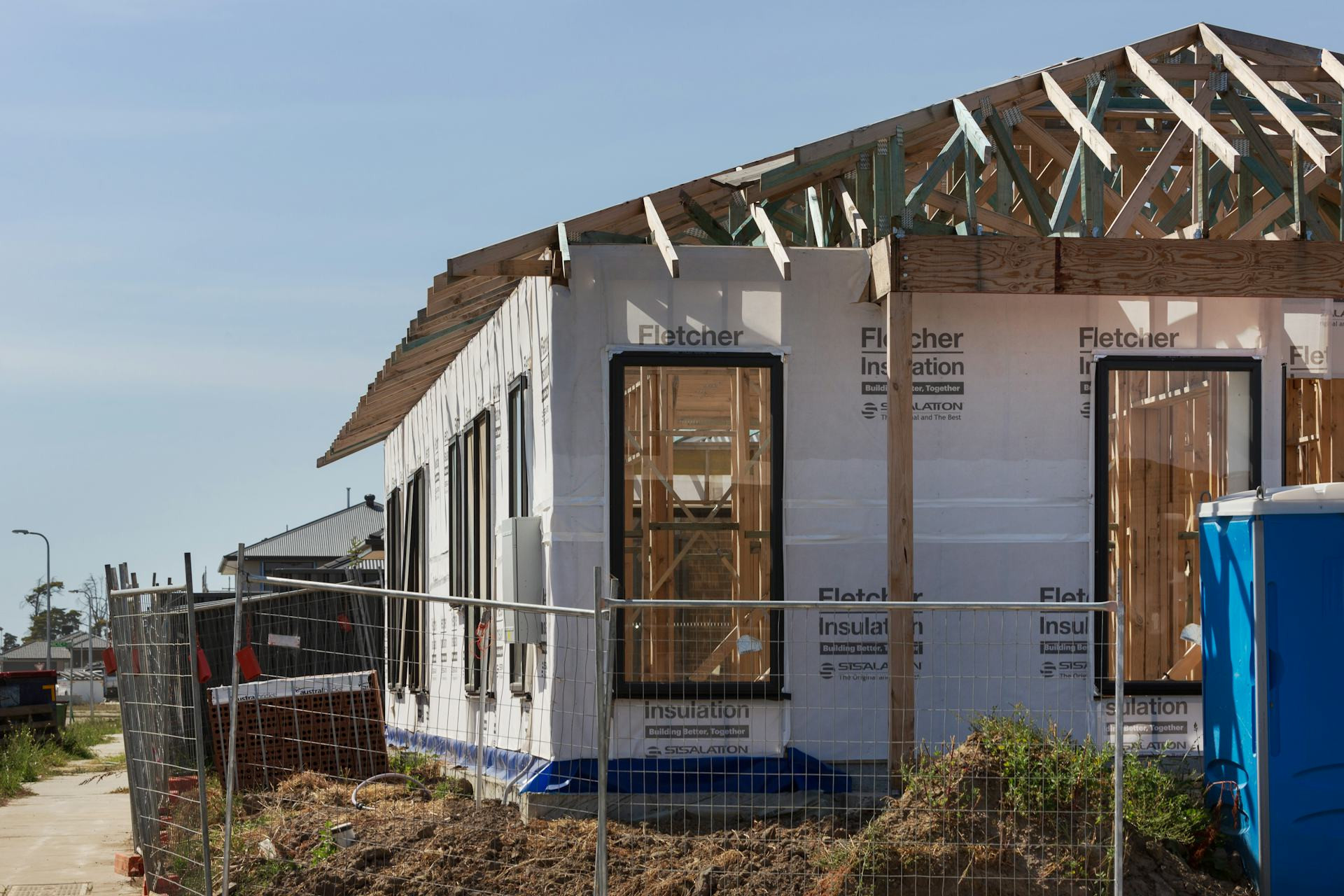
- Insulation and air sealing: A tight building envelope is the foundation of low energy use. Quality materials and proper installation are key.
- Heat recovery ventilation: Provides fresh air without losing heat, improving indoor air quality and comfort.
- Solar energy: Solar panels can reduce electricity costs and increase your home’s resale value.
- Sustainable materials: Choose materials with a low carbon footprint and long lifespan—such as certified wood, recycled steel, or durable composites.
These solutions may require a higher initial investment, but they deliver lower operating costs, better comfort, and a stronger resale position.
Flexibility and Future-Proofing
A home should adapt to life’s changes. Consider how your layout and systems can evolve over time.
- Plan for electric vehicles and solar, even if you don’t install them right away.
- Design for accessibility—wide doorways, minimal steps, and a first-floor bedroom can make your home more livable for years to come.
- Modular design: Some homeowners build in phases, allowing for future additions as needs grow.
Flexibility is a form of insurance against future changes—in your lifestyle, technology, or family size.
Quality Where It Counts
The most important parts of a home are often the ones you don’t see. Electrical wiring, plumbing, vapor barriers, and foundations determine how well your home performs and how long it lasts. This is not the place to cut corners.
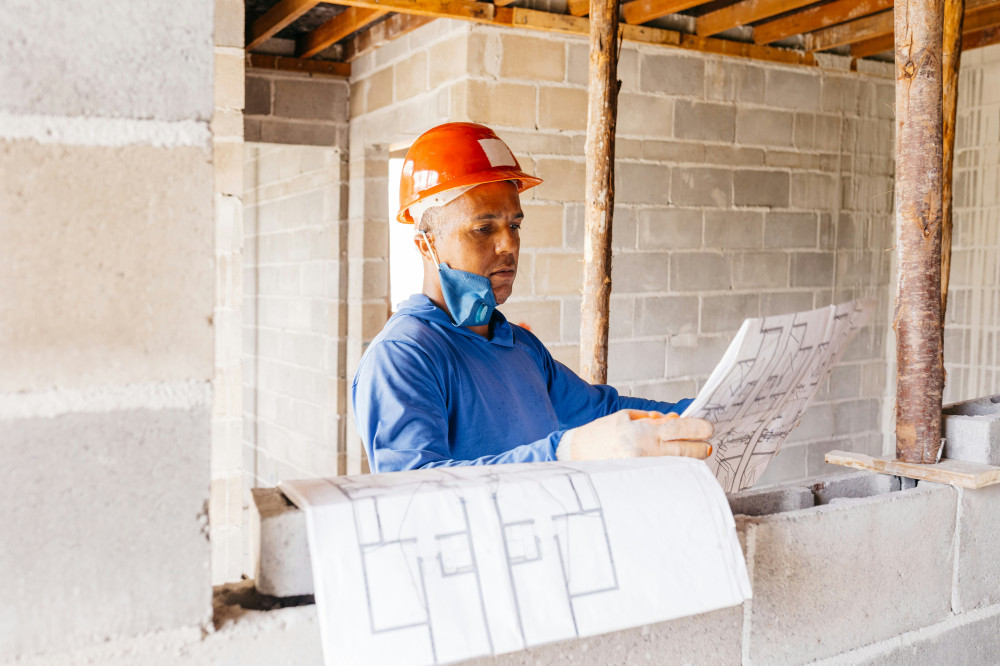
Make sure the work is done by qualified professionals using proven methods. Proper construction prevents moisture problems, mold, and energy loss—issues that can be costly and stressful to fix later.
Low-Maintenance Choices
A home that’s easy to maintain saves both time and money. Choose materials that stay attractive and functional with minimal upkeep:
- Brick, stone, or fiber-cement siding instead of wood.
- Long-lasting roofing materials such as metal or tile.
- Aluminum-clad or composite windows that never need painting.
Low-maintenance materials help your home retain its beauty and value year after year.
Documentation and Quality Assurance
When your home is complete, make sure you have thorough documentation. Energy reports, material lists, and warranties aren’t just paperwork—they’re proof that your home was built with care and quality.
Good documentation simplifies future maintenance and adds credibility when it’s time to sell. You might also consider hiring an independent inspector to review the construction process for added peace of mind.
Læs også:
A Home That Pays Off – Year After Year
Long-term value in new construction isn’t just about money—it’s about quality of life. A well-insulated, healthy, and flexible home offers comfort, lower bills, and fewer worries. It’s an investment in your future—and in a home built to last.
Læs også: