Staying Connected: A Healthy Way to Remember What You’ve Lost

Staying Connected: A Healthy Way to Remember What You’ve Lost
When we lose someone we love, the world changes. There’s an emptiness where there used to be laughter, conversation, and routine. Many people feel pressure to “move on,” but grief rarely works that way. It’s not about letting go—it’s about finding a new way to stay connected. Keeping a bond with the person you’ve lost can be a healthy and meaningful part of healing.
Grief as a Continuing Relationship
For a long time, grief was seen as a process of detachment—something you had to “get over.” Today, we understand that many people find comfort in maintaining a sense of connection with the person who has died. This isn’t denial; it’s a way of integrating loss into life.
That connection might take the form of thoughts, memories, rituals, or actions that keep the relationship alive in a new way. Some people talk to their loved one, others visit a meaningful place, or simply pause to remember. It’s not about living in the past—it’s about allowing love to continue in a different form.
Læs også:




Simple Rituals That Bring Peace
Rituals can help bring structure and meaning to grief. They don’t have to be religious or formal—the most important thing is that they feel genuine to you.
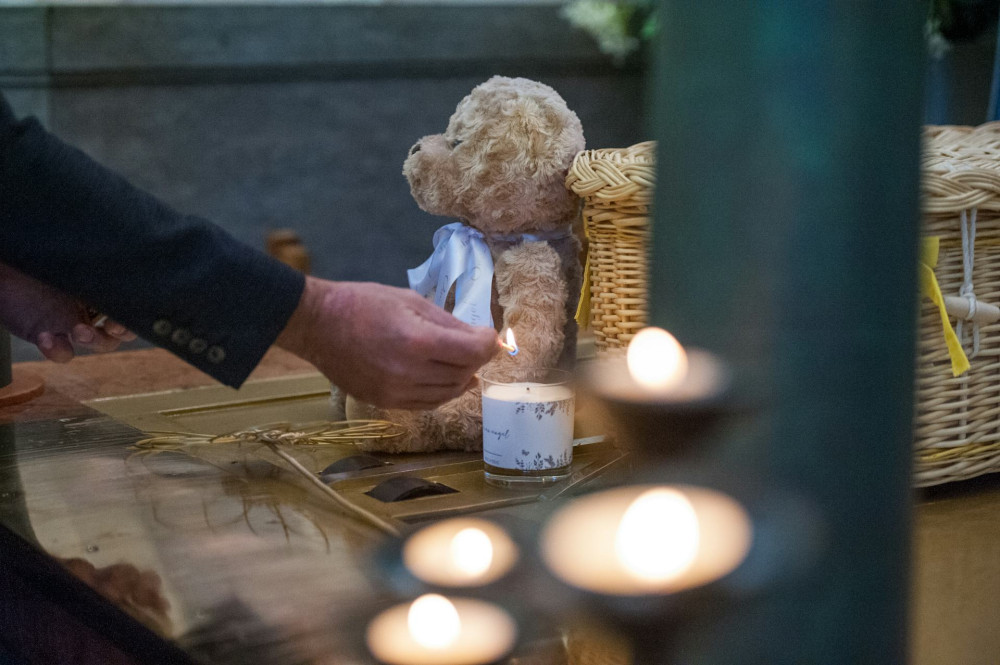
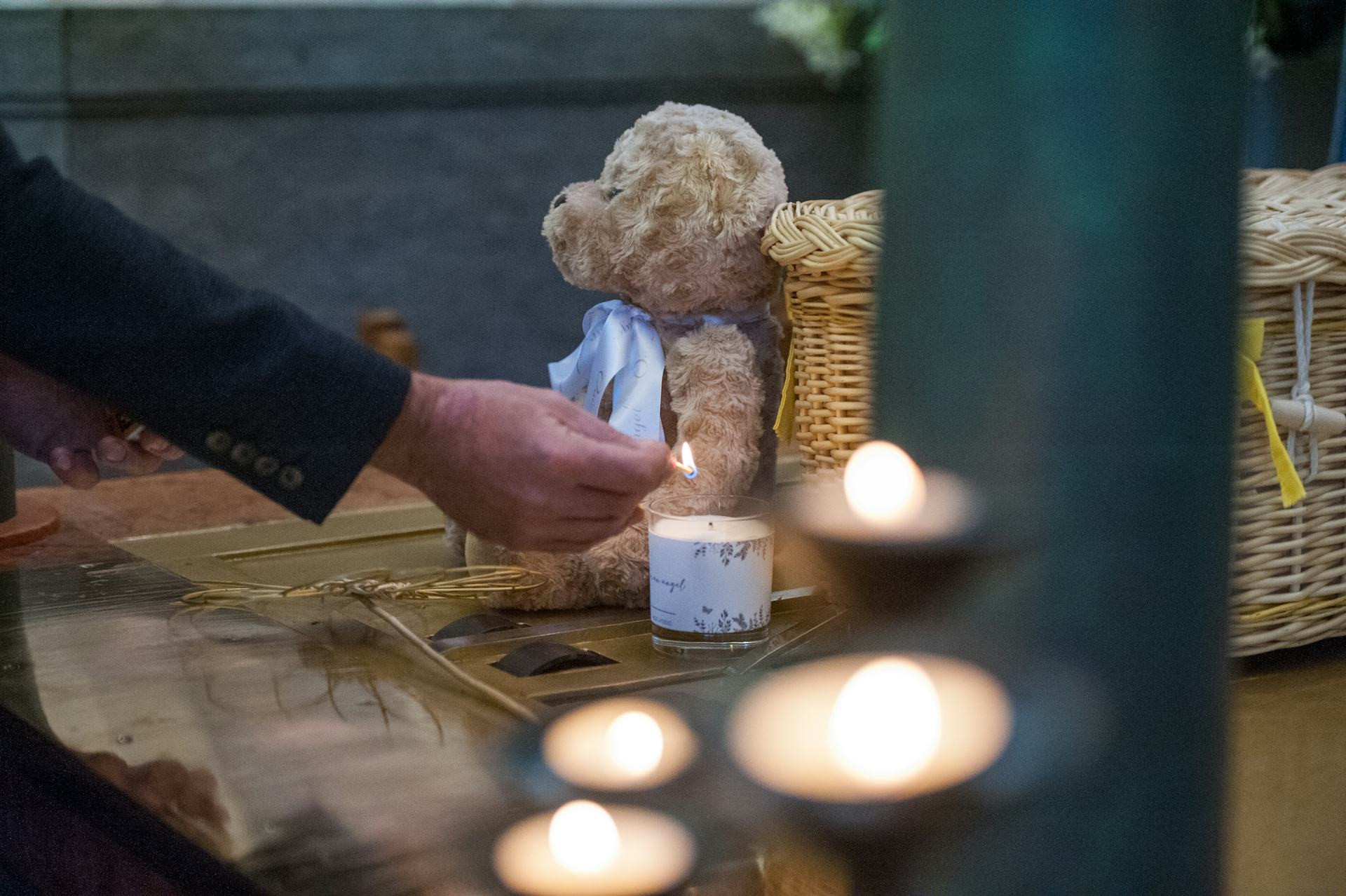
- Light a candle – on special days or whenever you miss them. The small act of lighting a flame can be a quiet way to honor their memory.
- Create a memory space – a photo, an object, or a small corner in your home where you can reflect.
- Take a walk – follow a route you once shared, and let the memories come as they will.
- Write a letter – express what you wish you could say. Writing can help release emotions that are hard to speak aloud.
These small acts can bring a sense of presence and continuity—as if the relationship still exists, just in a new form.
Sharing Memories with Others
Grief can feel isolating, but memories grow stronger when shared. Talking about the person you’ve lost—with family, friends, or coworkers—helps keep their story alive in your community. Support groups or grief circles can also be a safe space to connect with others who understand what you’re going through.
Telling stories—both the joyful and the painful ones—can bring comfort and connection. It’s a way of saying, “They were here, and they still matter.”
When Grief Feels Overwhelming
While staying connected can be healing, sometimes grief becomes so heavy that it overshadows everything else. If sadness turns into hopelessness, or if you lose interest in life, it’s important to reach out for help. Talking with a therapist, counselor, or spiritual advisor can offer new perspectives and tools for finding balance.
Seeking help isn’t a sign of weakness—it’s a step toward living with your grief in a way that strengthens rather than breaks you.
Finding Meaning in What Remains
Many people eventually discover new meaning in their loss. The pain doesn’t disappear, but it becomes part of a larger story. Some choose to volunteer, support a cause, or create something in their loved one’s name. Others find meaning in living in a way that reflects what they learned from the person they lost.
In the end, staying connected is about love—allowing it to continue even when life has changed. It’s not about holding on to sorrow, but about letting memory and love become part of who you are.
Læs også: