Release the Pressure: Find Inner Peace Through Self-Compassion

Release the Pressure: Find Inner Peace Through Self-Compassion
In a culture that often celebrates hustle, productivity, and constant improvement, it’s easy to feel like you’re never doing enough. Work, family, health, and social life all compete for attention, and the pressure to keep up can be overwhelming. But what if the key to feeling calmer and more grounded isn’t pushing harder—but being kinder to yourself? That’s the essence of self-compassion: treating yourself with the same understanding and care you’d offer a close friend.
Here’s how you can release the pressure and find inner peace through self-compassion.
What Is Self-Compassion?
Self-compassion isn’t about self-pity or giving up. It’s about recognizing that being human means being imperfect—and that’s okay. According to research by psychologist Dr. Kristin Neff, one of the leading voices on self-compassion, people who practice it tend to be more resilient, not less motivated. When you stop wasting energy on harsh self-criticism, you free up space for growth and healing.
Next time you make a mistake, try asking yourself: “What would I say to a friend in this situation?” That simple shift in perspective can soften your inner dialogue and help you respond to yourself with empathy instead of judgment.
Quiet the Inner Critic
Most of us have an inner voice that constantly points out what we could have done better. While that voice can sometimes help us improve, it often becomes a relentless critic that fuels stress and self-doubt.
Letting go of the inner critic doesn’t mean ignoring responsibility—it means finding a more balanced way to talk to yourself. Notice when your self-talk turns harsh, and practice replacing criticism with curiosity. Instead of thinking, “I really messed that up,” try, “That was tough—what can I learn from it?” The words you choose matter; they shape how you feel and how you move forward.
Make Space for Rest
Self-compassion also means giving yourself permission to pause. In a society that glorifies busyness, rest can feel like a luxury or even a weakness. But in reality, rest is essential for creativity, focus, and emotional well-being.
Try building small moments of calm into your day:
- Take a short walk without your phone.
- Breathe deeply for a few minutes when you feel tension rising.
- Listen to music, read a few pages of a book, or simply sit quietly.
These pauses aren’t about escaping life—they’re about creating space to reconnect with yourself so you can meet life’s demands with more clarity and ease.
When Life Hurts
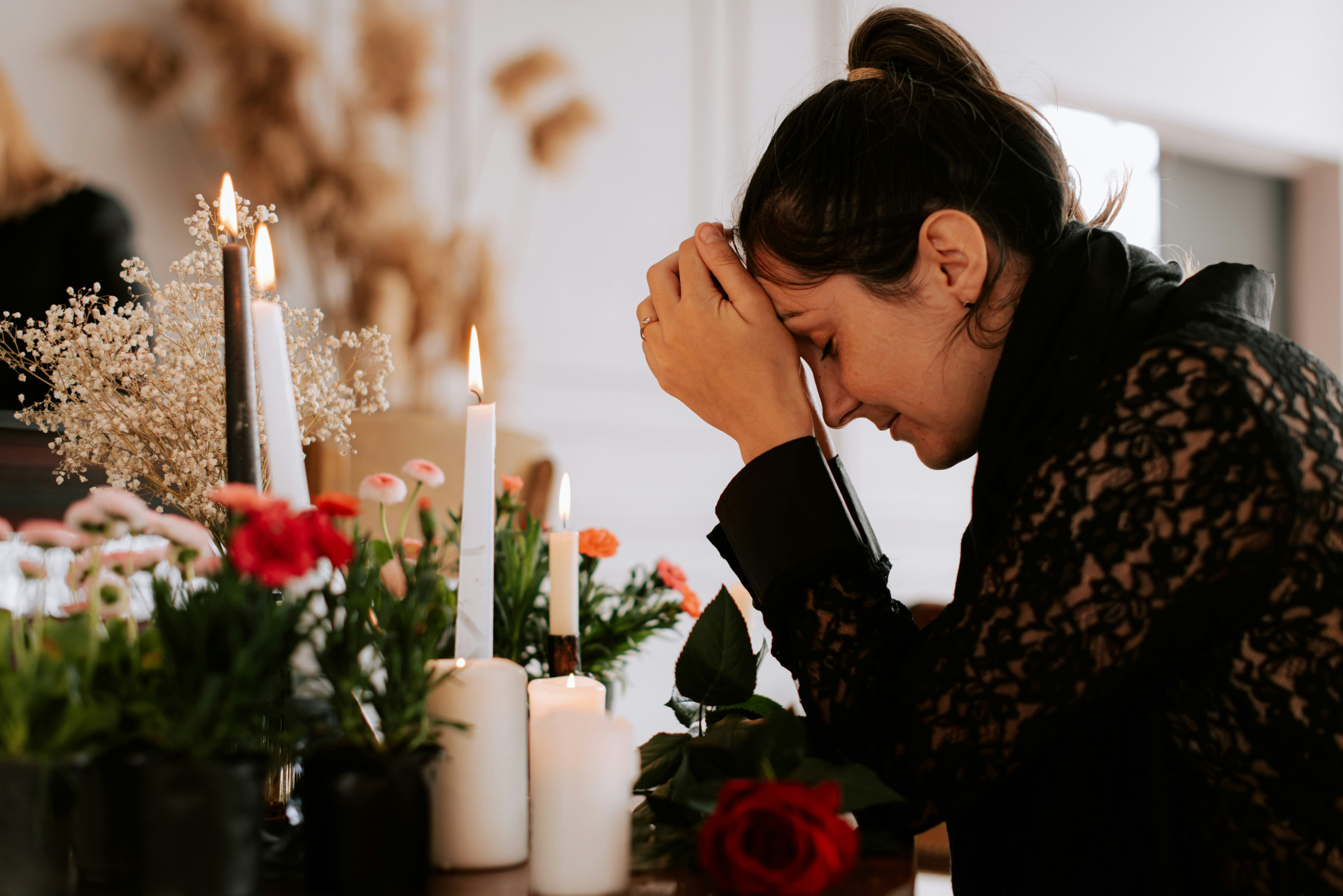
Self-compassion becomes especially powerful during difficult times—loss, illness, heartbreak, or uncertainty. In those moments, it’s tempting to shut down or blame yourself for not “handling it better.” But pain is part of being human. Allowing yourself to feel it, without judgment, is an act of courage.
You might say to yourself, “This is really hard right now, and that’s okay. I don’t have to fix it immediately.” Meeting your own pain with kindness doesn’t make it disappear, but it helps you stop fighting against it—and that’s where healing begins.
Small Steps Toward Greater Calm
Self-compassion is a practice, not a performance. It takes time to unlearn old habits of self-criticism, but you can start small:
- Notice your inner voice. How do you talk to yourself when things go wrong?
- Replace judgment with understanding. Ask what you need, not what you “should” have done.
- Remember you’re not alone. Everyone struggles; it’s part of the shared human experience.
Over time, you’ll find that self-compassion doesn’t make you weaker—it makes you steadier. It gives you a foundation of calm that helps you navigate life’s ups and downs with more grace.
Læs også:



Coming Home to Yourself
Releasing the pressure is ultimately about coming home to yourself. When you meet your own imperfections with kindness, it becomes easier to live fully in the present moment—not in the version of life you think you should have, but in the one you actually do.
Self-compassion isn’t a quick fix; it’s a way of living. It reminds you that you are enough, even on the days you feel far from it. And maybe that’s where true peace begins—with the simple realization that you don’t have to be perfect to be worthy.
Læs også: