Weekend driving as therapy: Turn the ride into your personal escape


Weekend driving as therapy: Turn the ride into your personal escape
For most people, driving is simply a way to get from point A to point B. But for some, time behind the wheel becomes something more—a space to breathe, reflect, and unwind. Weekend driving can be a form of therapy, a way to step away from the noise of everyday life and reconnect with yourself. Here’s how to turn your weekend drive into your own personal escape.
When the road becomes your reset button
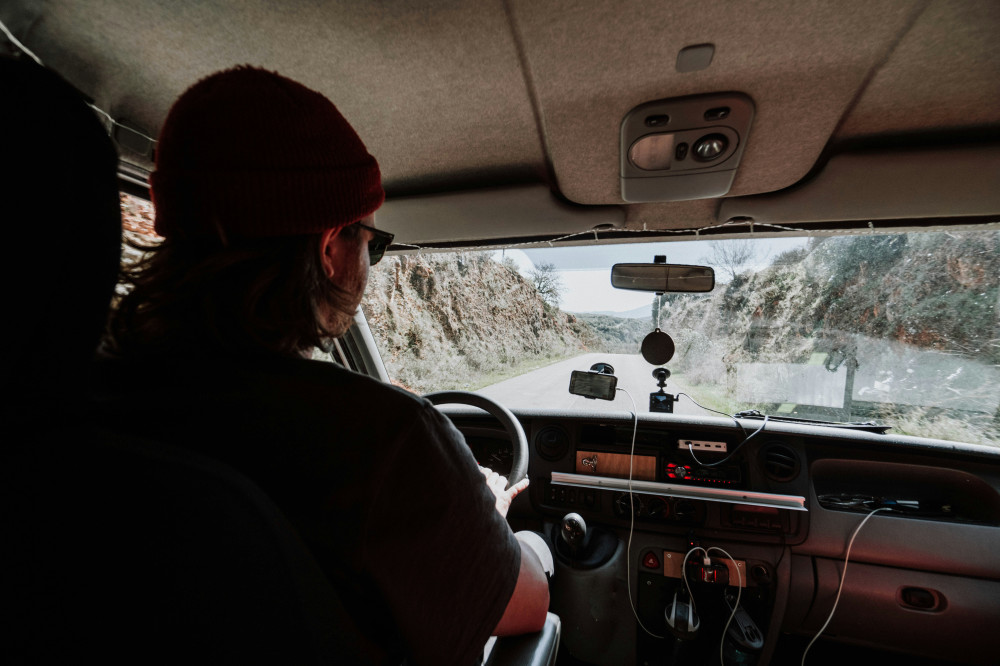
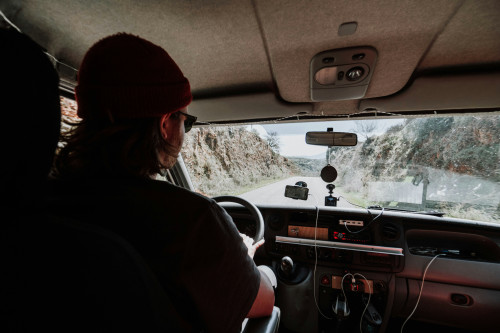
Between work, family, and endless to-do lists, it can be hard to find a moment of calm. But when you close the car door, start the engine, and pull onto the open road, something shifts. You’re alone, yet not lonely. You’re moving, but without pressure. That combination of solitude and motion can be deeply restorative.
Some psychologists refer to this as “automotive mindfulness.” The repetitive, familiar actions of driving—steering, shifting, following the rhythm of the road—can quiet the mind in the same way that walking or gardening does. It’s a moving meditation that helps your thoughts settle naturally.
Choose the right route
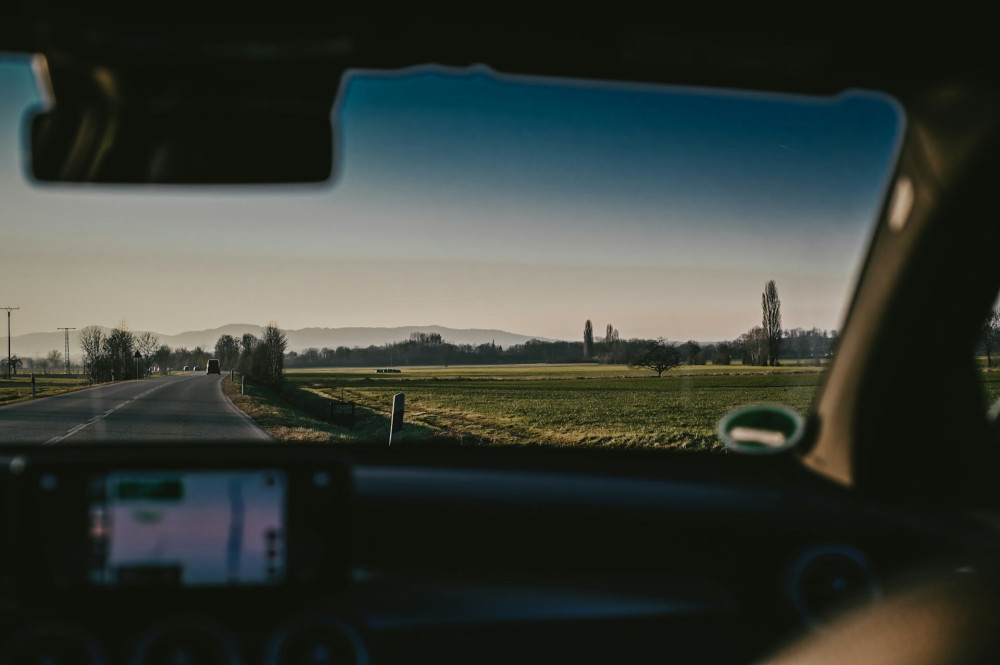
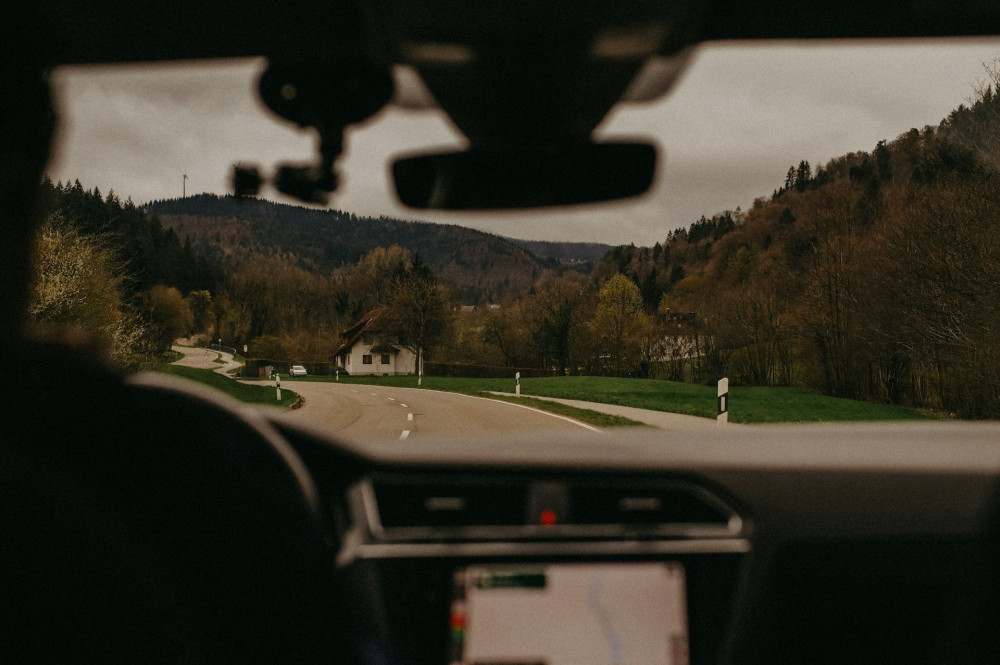
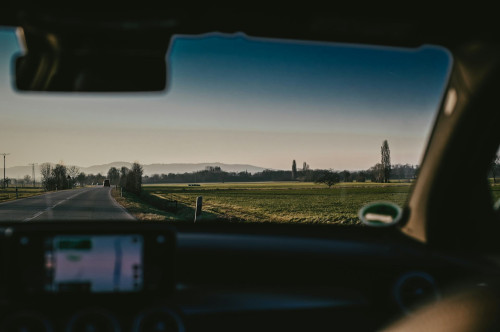
If you want to use weekend driving as a form of therapy, it’s not about getting somewhere fast. It’s about choosing routes that bring you peace and pleasure. Skip the congested highways and look for scenic byways, coastal drives, or winding country roads.
- Coastal routes offer wide horizons and salty air that clear the mind.
- Rural backroads create a sense of freedom and distance from daily stress.
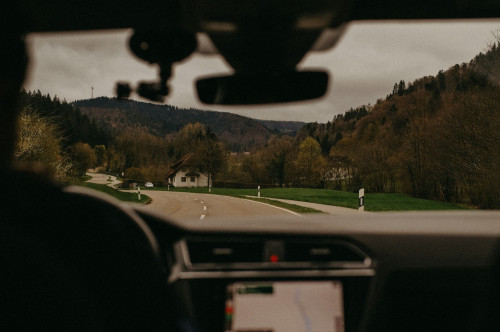
- Mountain or forest drives slow your pace and invite reflection.
Plan a route with a few stops along the way—a lake overlook, a small-town diner, or a quiet park. The journey itself becomes the destination.
Set the mood inside your car
To make your drive feel like a true escape, create an atmosphere that matches your mood. Some people prefer silence, letting the hum of the engine and the sound of the tires on pavement fill the space. Others enjoy music or podcasts that enhance the experience.
If you choose music, go for something that helps you relax—maybe instrumental, acoustic, or mellow rock. The goal isn’t entertainment; it’s presence. Let the soundscape support your sense of calm rather than distract from it.
You can also use the time for reflection. Many drivers find that their best ideas or realizations come while driving. The steady rhythm of the road seems to free the mind to wander productively.
Drive with presence, not speed
Therapeutic driving isn’t about how far or how fast you go—it’s about how present you are. Notice the details: the changing light, the curve of the road, the way your car responds to your touch. When you find that rhythm, your body relaxes and your mind follows.
If you tend to drive on autopilot, try slowing down a little. It not only makes the drive safer but also allows you to experience more. Mindful driving can be a form of meditation in motion, where awareness replaces rush.
Læs også:
Make it a habit
You don’t need a cross-country road trip to feel the benefits. Even a short Saturday morning drive can reset your mind. Consider making it a weekly ritual—a kind of mental tune-up.
Some people prefer to drive alone, while others bring a friend or partner. A shared drive can open space for real conversation, the kind that flows easily when the scenery rolls by. Whether solo or shared, the key is to create a space where you can simply be yourself.
Finding peace on the move
In a world where people turn to yoga, meditation, or hiking to find calm, the car might seem like an unlikely sanctuary. But for those who love to drive, it can be the perfect blend of movement, freedom, and reflection.
Weekend driving as therapy isn’t about the destination—it’s about the journey itself. It’s a reminder that peace doesn’t always come from stillness. Sometimes, it’s found on the open road, with your hands on the wheel and your thoughts in gentle motion.
Læs også: