Train as You Age: Adapt Your Workouts and Stay Strong for Life

Train as You Age: Adapt Your Workouts and Stay Strong for Life
Staying active throughout life is one of the best investments you can make in your health. But as the years go by, your body changes — and your workouts should change with it. The routines that worked in your 20s may not serve you as well in your 40s, 50s, or 60s. The good news? With the right approach, you can maintain strength, mobility, and energy well into your later years.
Your Body Changes — But Your Potential Remains
Starting around age 30, muscle mass naturally begins to decline, and metabolism slows down. That doesn’t mean you have to accept getting weaker. Research consistently shows that regular strength and cardio training can slow — and even reverse — many age-related changes.
The key is to listen to your body and adjust your workouts to your current abilities. You can still build muscle, improve endurance, and stay flexible — you just need to train smarter, not harder.
Strength Training: The Cornerstone of Healthy Aging
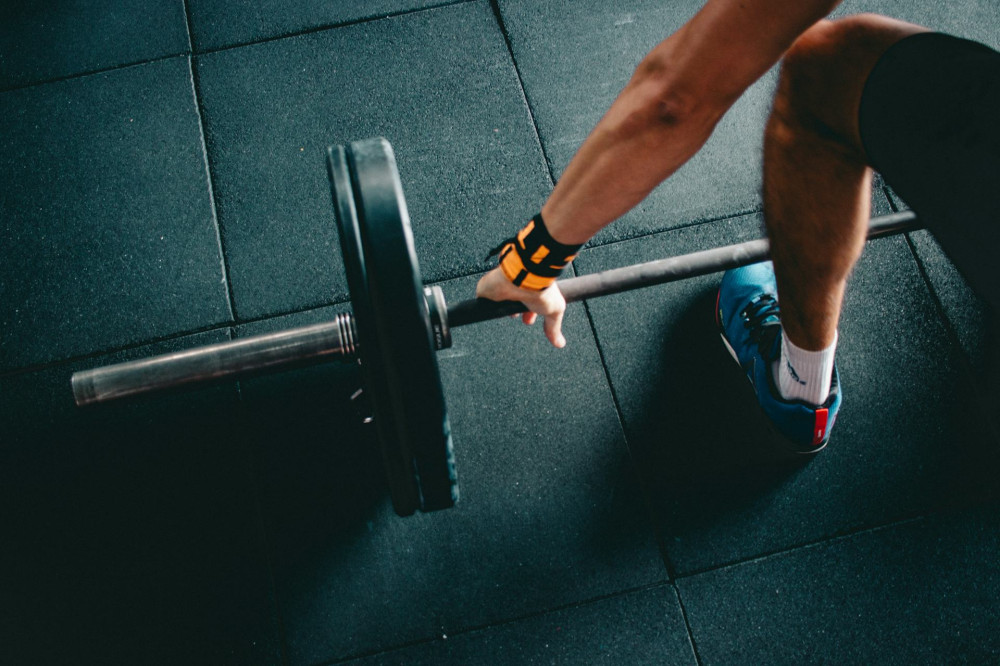
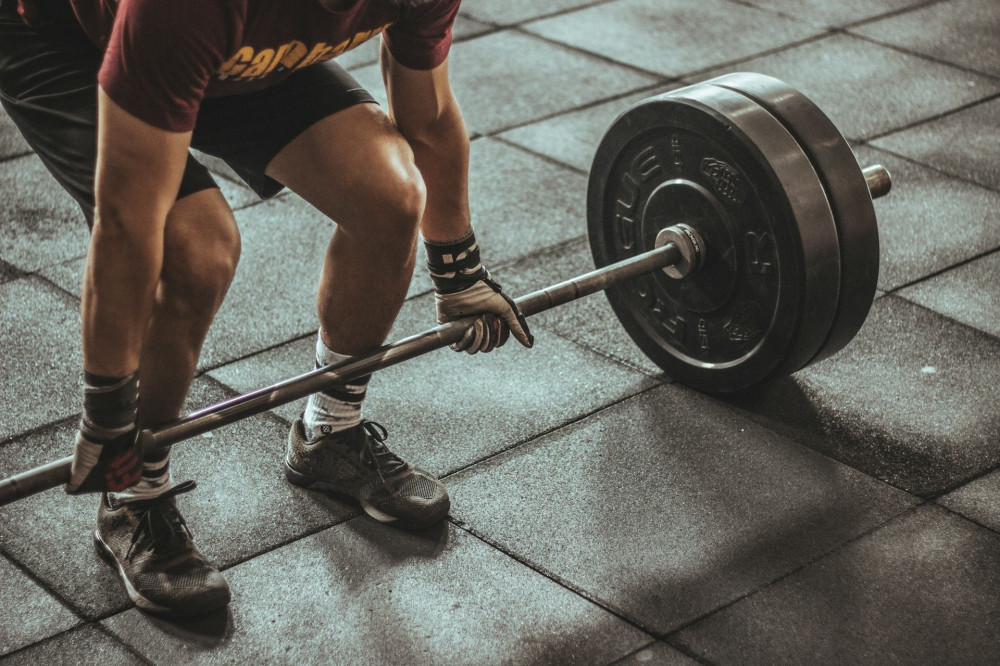
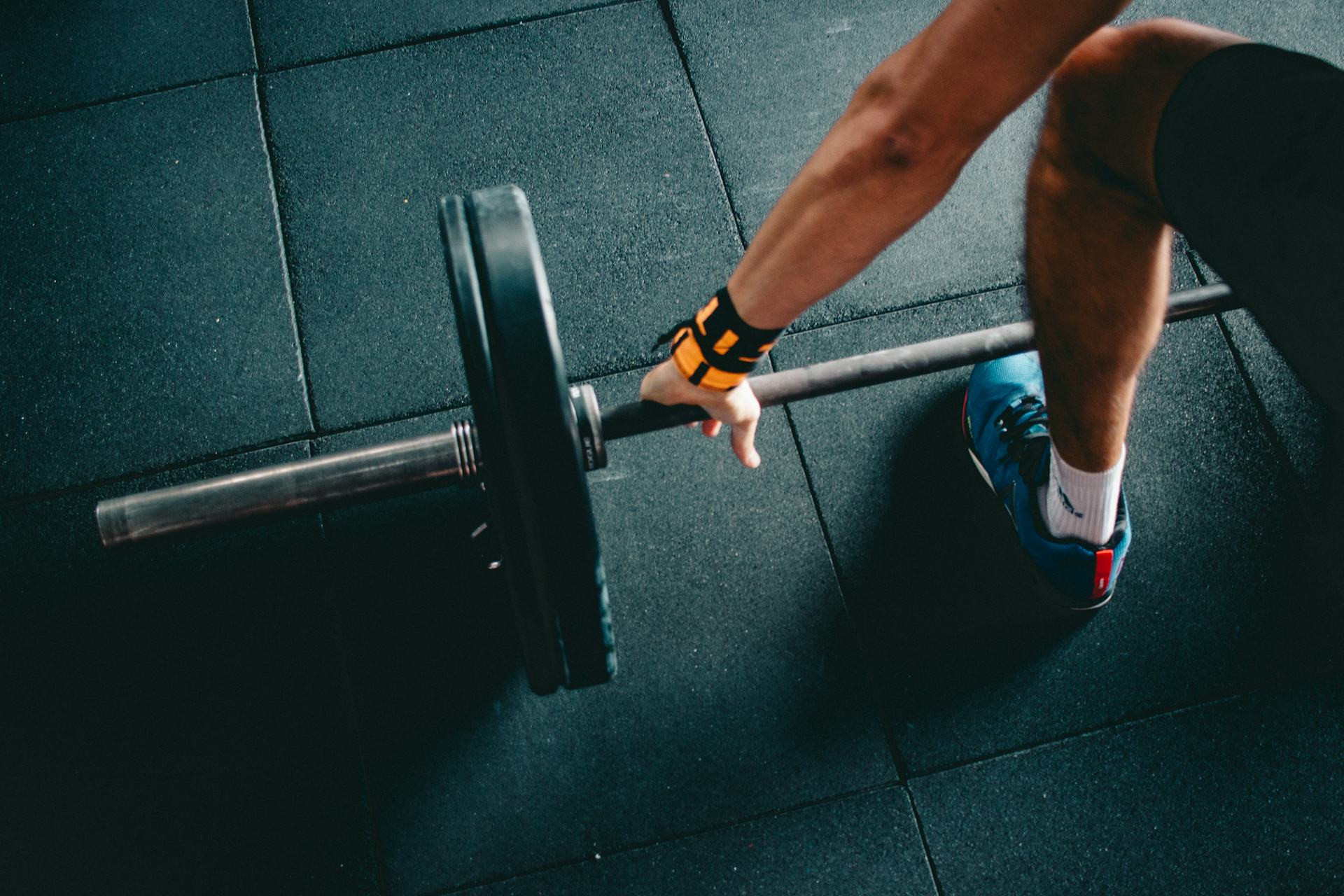
Strength training is perhaps the single most important type of exercise as you age. It helps preserve muscle mass, strengthens bones, and improves balance — all of which reduce the risk of injury and falls.
- Focus on major muscle groups — legs, back, chest, and shoulders. Exercises like squats, deadlifts, push-ups, and rows can be modified for any fitness level.
- Use moderate weights and proper form — it’s better to lift a little less and move correctly than to push too hard and risk injury.
- Allow time for recovery — older muscles need more rest. Two to three strength sessions per week are often ideal.
If you’re new to strength training, consider working with a certified personal trainer who can help you learn proper technique and design a safe, effective program.
Cardio: Keep Your Heart and Energy Strong
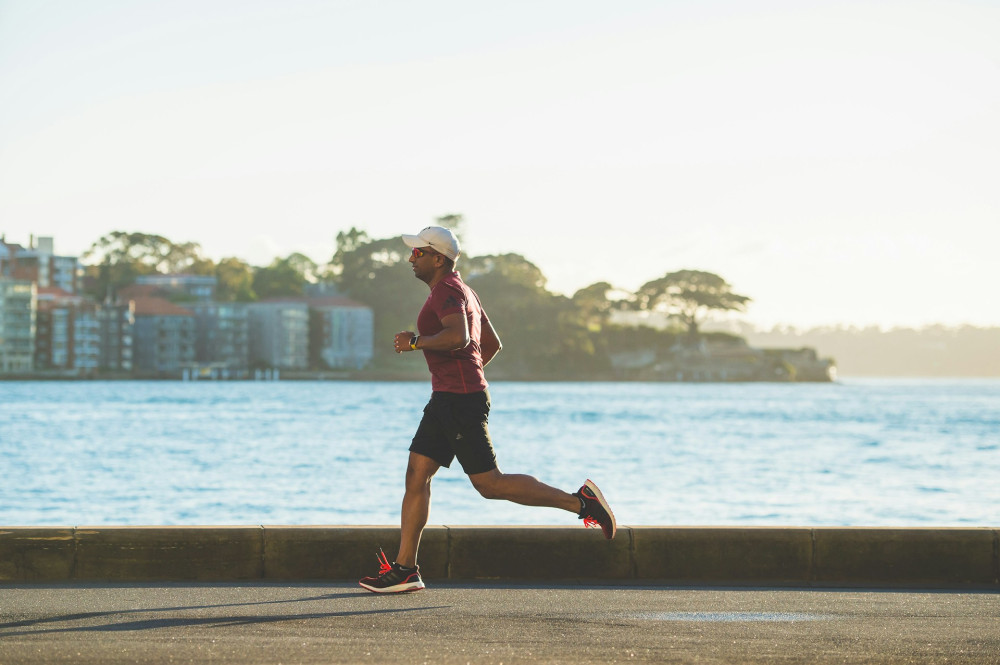
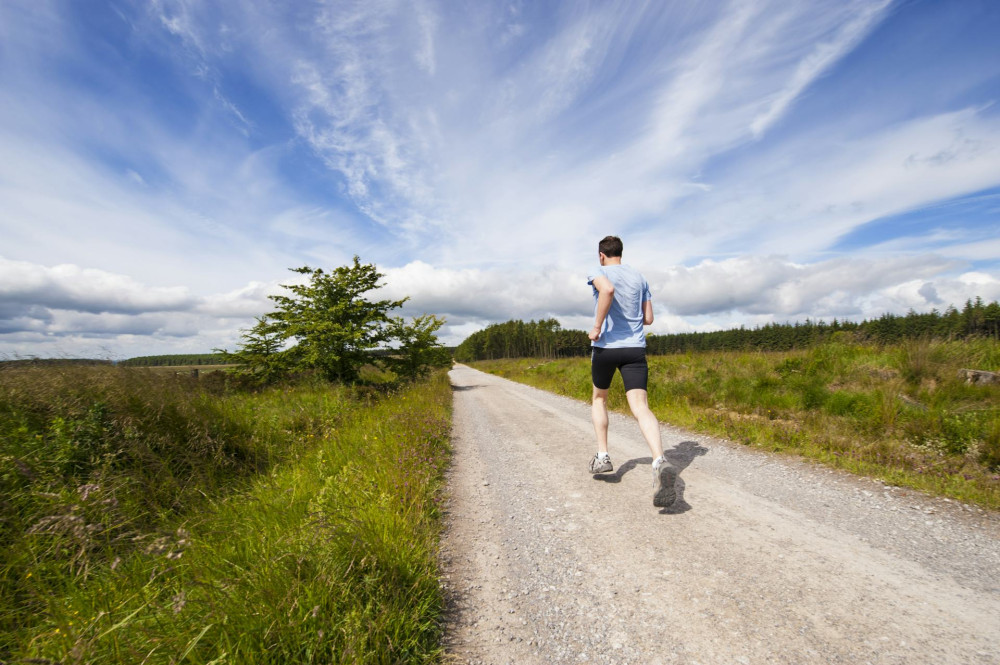
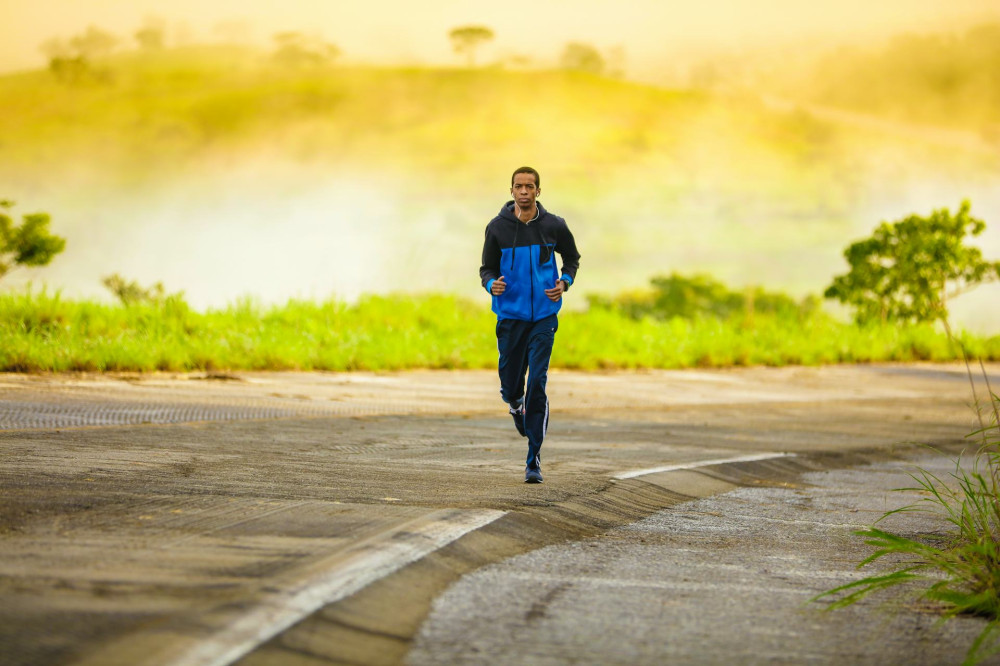
Cardiovascular exercise keeps your heart healthy, boosts circulation, and increases daily energy. You don’t need to run marathons to see benefits — consistency matters more than intensity.
- Choose low-impact activities like walking, cycling, swimming, or using an elliptical. These are easier on the joints than running.
- Try interval training — short bursts of higher intensity followed by easier recovery periods can deliver great results in less time.
- Pay attention to your body — your heart rate should rise, but you should still be able to hold a conversation.
Even 20–30 minutes of movement most days can make a big difference for your health and mood.
Læs også:


Flexibility and Balance: The Often-Overlooked Essentials
As we age, flexibility tends to decrease and balance can become less stable. That’s why it’s important to include exercises that target these areas.
Yoga, Pilates, and simple mobility routines can improve flexibility and body awareness. Balance exercises — like standing on one leg, walking heel-to-toe, or using a balance board — can easily fit into your daily routine and help prevent falls.
Recovery and Sleep: The Hidden Superpower
The older you get, the more crucial recovery becomes. Muscles need time to rebuild, and sleep plays a major role in that process. Aim for 7–8 hours of quality sleep each night, and schedule at least one rest day between intense workouts.
Nutrition and hydration are also part of recovery. Eat a balanced diet rich in protein, vegetables, whole grains, and healthy fats. These nutrients give your body the building blocks it needs to stay strong.
Motivation and Habits: The Key to Consistency
Finding motivation can be harder when life is busy or your body feels different than it used to. But motivation often grows once you start feeling the benefits — more energy, better sleep, and a stronger body.
Set realistic goals and choose activities you enjoy. Whether it’s group fitness, hiking, or home workouts, the best exercise is the one you’ll stick with. Remember: consistency beats intensity in the long run.
Fitness as a Lifestyle — Not a Chore
Training as you age isn’t about chasing records; it’s about maintaining quality of life. It’s an investment in your future independence — the ability to move freely, play with your grandkids, travel, and handle everyday tasks without pain.
When you see exercise as a natural part of life — just like eating and sleeping — it becomes easier to stay committed. Small, steady steps add up over time, helping you stay strong, capable, and confident for years to come.
Læs også: