The Wardrobe for Denmark’s Climate: How to Dress Smart for Changing Temperatures


The Wardrobe for Denmark’s Climate: How to Dress Smart for Changing Temperatures
If you’re planning a trip to Denmark—or moving there—you’ll quickly learn that the weather has a mind of its own. Sunshine can turn into drizzle within minutes, and a mild morning can become a chilly, windy afternoon. Dressing for this kind of climate requires strategy, flexibility, and a few smart wardrobe choices. Here’s how to stay comfortable and stylish no matter what the Danish skies bring.
Layering: The Secret to Comfort
The golden rule for dressing in Denmark is layering. Instead of relying on one heavy coat, build your outfit from several lighter layers that you can add or remove as the weather shifts.
- Base layer: Start with something that wicks moisture away from your skin. Merino wool or high-quality synthetic fabrics are ideal—they keep you dry and warm even if you break a sweat.
- Middle layer: This is your insulation. A lightweight wool sweater, fleece, or thin down jacket works well depending on the season.
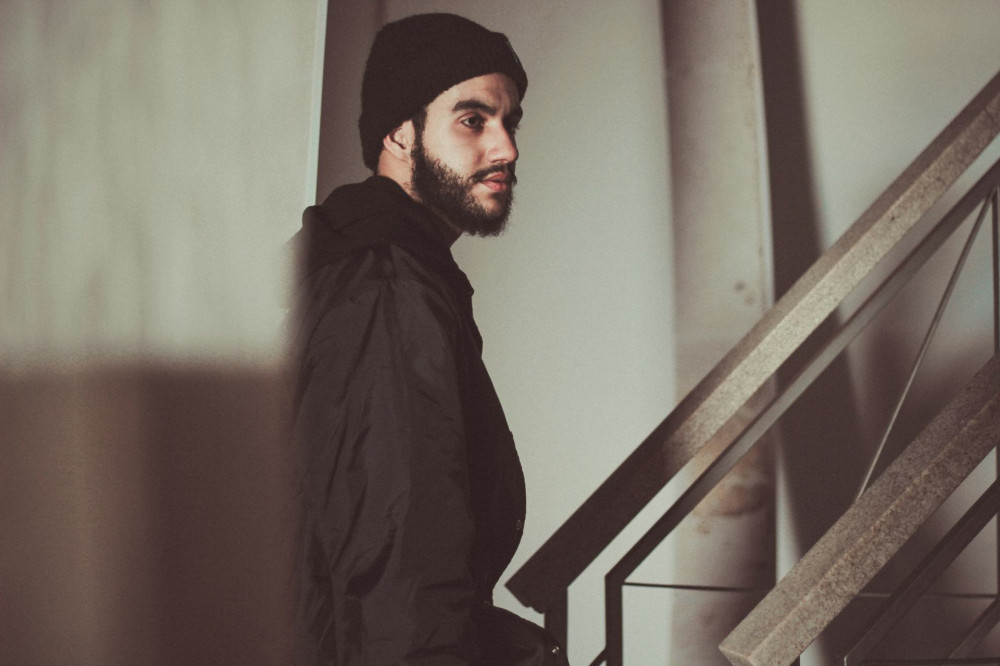
- Outer layer: Your shield against wind and rain. A waterproof or water-resistant shell jacket is essential in Denmark, where rain showers are frequent and wind is a constant companion.
With this system, you can easily adapt when the sun peeks out or the temperature drops.
Choose Materials That Work for You
The right fabrics make all the difference in a climate that’s both damp and unpredictable.
- Wool is a hero material—it insulates even when wet and naturally resists odors, making it perfect for travel and everyday wear.
- Cotton feels great but absorbs moisture, so it’s best for dry days or indoor layers.
- Technical fabrics like Gore-Tex, softshell, or other breathable synthetics offer protection from wind and rain without overheating you.
A mix of natural and synthetic materials gives you the best balance of comfort, function, and durability.
Læs også:



The Transitional Jacket: A Must-Have
Spring and fall in Denmark can be tricky—too warm for a winter coat, too cold for just a sweater. That’s where a good transitional jacket comes in. It should block wind, handle light rain, and still feel light enough for milder days.
Popular options include:
- A light parka with a hood and adjustable cuffs.
- A classic trench coat that’s both elegant and practical.
- A softshell jacket that offers flexibility and weather resistance.
Stick to neutral tones like navy, olive, or gray so your jacket pairs easily with the rest of your wardrobe.
Footwear for Every Season
Your feet will feel the weather first, and Danish streets can be wet, cobblestoned, and windy. Invest in shoes that can handle it all.
- Waterproof boots with good traction are essential for fall and winter.
- Chelsea boots in leather or suede are stylish and versatile for both casual and dressier looks.
- Sneakers or lightweight loafers are great for summer, especially if you’ll be walking or biking around the city.
Don’t forget to care for your shoes—use waterproofing spray and polish regularly to extend their life and keep them looking sharp.
Accessories That Make a Difference
Small accessories can make a big impact when the weather changes quickly. A scarf, hat, or pair of gloves can be added or removed in seconds and make all the difference in comfort. Choose wool or cashmere for warmth and softness.
A compact umbrella or foldable rain poncho is also worth keeping in your bag. And yes, bring sunglasses—Danish sunlight can be surprisingly bright, even on cold days.
Building a Cohesive Wardrobe
A smart wardrobe for Denmark isn’t just about individual pieces—it’s about how they work together. Aim for a collection that’s easy to mix and match, so you can layer up or down without sacrificing style.
Start with:
- A neutral base palette—black, gray, navy, and beige.
- A few colorful accents like a bright scarf or jacket to add personality.
- A focus on quality over quantity. Fewer, well-made items will last longer and look better over time.
Dress for the Weather—and Yourself
Denmark’s climate may be unpredictable, but with the right approach, it doesn’t have to catch you off guard. By layering smartly, choosing the right materials, and investing in versatile pieces, you can stay comfortable and confident year-round. The key is to know your own comfort level—and always be ready for the weather to surprise you.
Læs også: