From Soil to Glass: How Nature Shapes the Organic Wine Experience

From Soil to Glass: How Nature Shapes the Organic Wine Experience
When you pour a glass of organic wine, you’re tasting more than just fermented grapes — you’re tasting the soil, the climate, and the care taken to work in harmony with nature. At its heart, organic winemaking is about respect for natural cycles and allowing the land’s unique character — its terroir — to shine through without unnecessary interference. But how exactly does nature shape the wine in your glass, and why are more American winemakers turning to organic practices?
The Living Soil – The Foundation of the Vine
Healthy soil is the cornerstone of every vineyard. In organic viticulture, synthetic fertilizers and chemical pesticides are avoided to protect the soil’s living ecosystem. Instead, growers rely on compost, cover crops, and biodiversity to nourish the vines naturally.
When soil life thrives — from earthworms to beneficial fungi — vines develop stronger roots and access nutrients more efficiently. The result is grapes with greater depth and complexity. Many winemakers describe this as a deeper connection between the wine and its origin — a more authentic taste of place.
Læs også:



Climate’s Influence – From Sunlight to Rainfall
Climate is one of the most powerful forces shaping a wine’s character. Temperature, sunlight, and rainfall determine how grapes ripen and how much acidity, sugar, and aroma they develop. Organic winemakers pay close attention to these natural rhythms, adapting their methods rather than trying to control them.
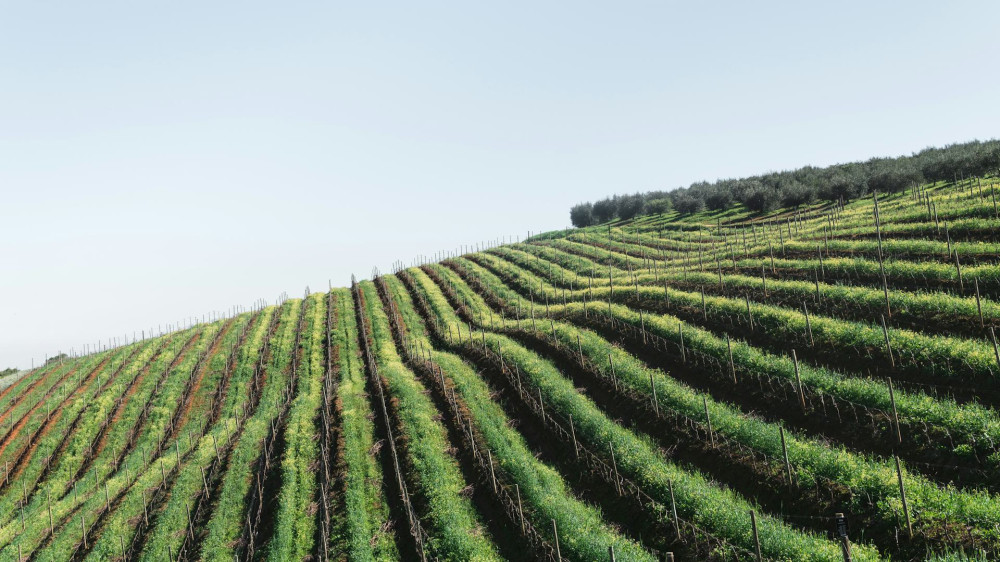
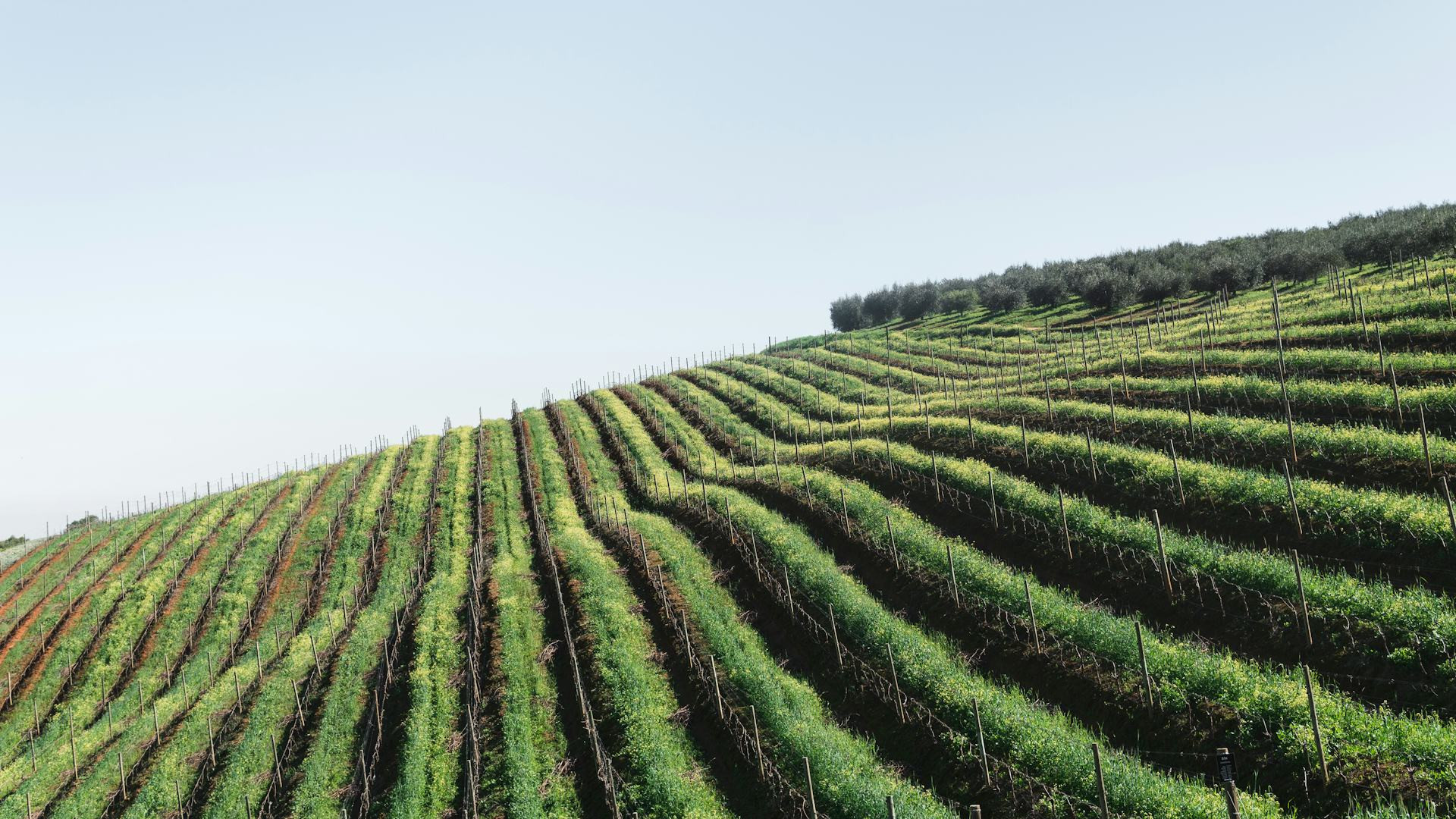
In California’s warm valleys, for example, cover crops between vine rows help retain soil moisture and prevent erosion. In cooler regions like Oregon’s Willamette Valley, careful pruning ensures grapes receive enough sunlight to ripen fully. The goal is balance — working with nature, not against it.
Biodiversity in the Vineyard
An organic vineyard is rarely uniform. Wildflowers, herbs, and grasses grow between the rows, and insects and birds are part of the ecosystem. This biodiversity isn’t just beautiful — it’s functional. A variety of species helps keep pests in check and strengthens the vines’ natural resilience.
Some growers even integrate sheep or chickens into their vineyards to manage weeds and provide natural fertilizer. This creates a self-sustaining cycle where nature supports the vineyard’s health, reducing the need for outside inputs.
From Grape to Wine – Minimal Intervention in the Cellar
Once the grapes are harvested, the organic philosophy continues in the cellar. The goal is to preserve the grapes’ natural character. Many organic winemakers use wild yeasts that occur naturally on the grape skins instead of commercial strains. This can lead to a more unpredictable fermentation — but also a wine that truly reflects its origin.
Additives such as enzymes, color enhancers, and artificial flavorings are avoided, and sulfur use is kept to a minimum. The result is wine that may vary from year to year, but that variation is part of its charm — a living expression of each season.
The Taste of Nature – and Responsibility
For many wine lovers, organic wine is about more than flavor; it’s about values. Choosing organic means supporting a more sustainable future — one that respects the land, the vines, and the people who tend them.
Of course, taste matters too. Organic wines are often described as fresher, purer, and more nuanced, with a clearer sense of place. They tell a story not just of a grape variety, but of a landscape and a way of farming that honors the earth.
A Grounded Wine Experience
Drinking organic wine is, in many ways, a way of reconnecting with nature. Each sip carries traces of sun, rain, soil, and the human hands that worked in balance with the environment. It’s a reminder that great wine doesn’t begin in the cellar — it begins in the soil — and that nature’s balance is the finest ingredient of all.
Læs også: