Design Your Home Office for Calm, Focus, and Well-Being

Design Your Home Office for Calm, Focus, and Well-Being
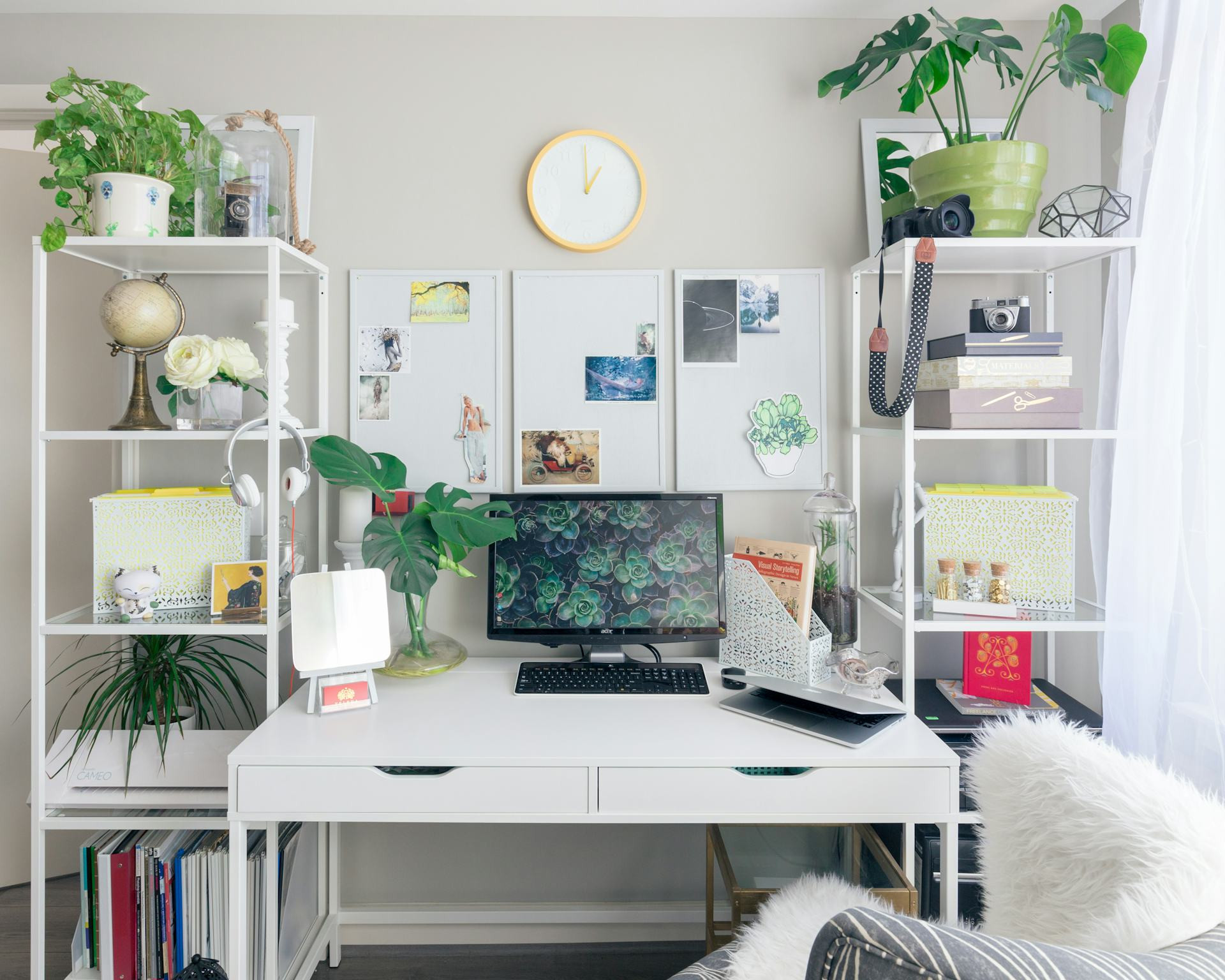
For many Americans, working from home has become a lasting part of daily life. But a desk in the corner of the living room isn’t always enough to create a space that supports focus and well-being. A thoughtfully designed home office is about more than function—it’s about atmosphere, balance, and comfort. Here’s how to design a workspace that helps you stay calm, focused, and energized throughout the day.
Create a Clear Boundary Between Work and Home Life
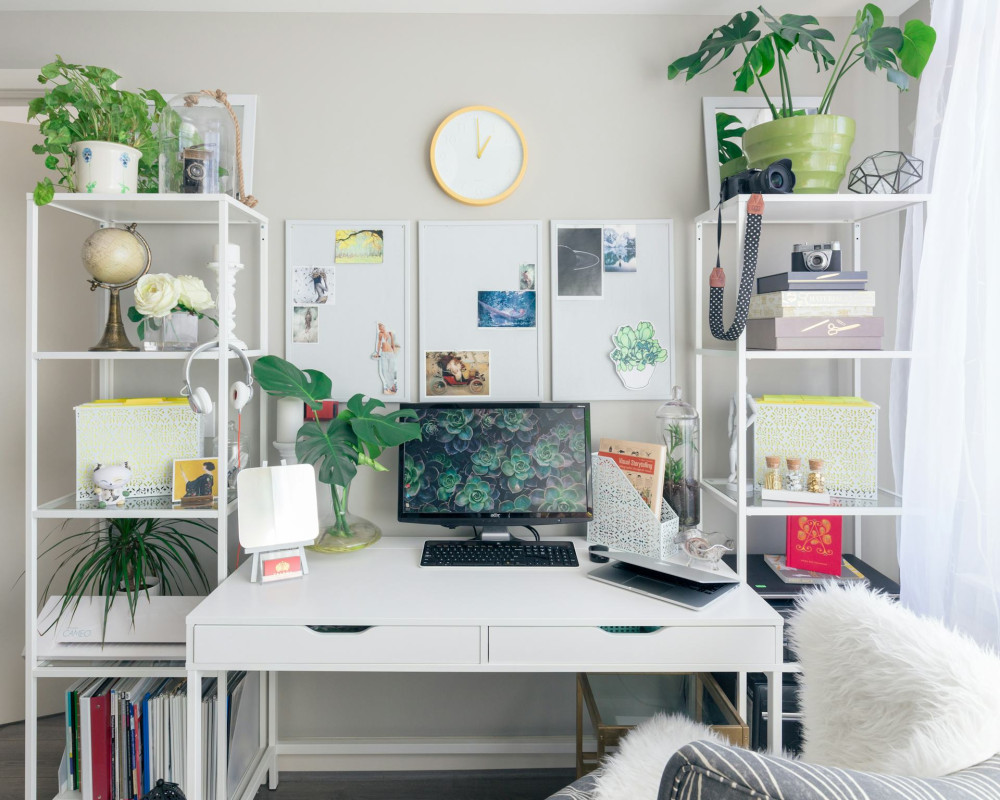
When your home doubles as your office, it’s easy for work to spill into your personal time. That’s why it’s important to establish both a physical and mental boundary. If you have a spare room, dedicate it to work. If not, define your workspace with a rug, a bookshelf, or even a folding screen.
Having a designated area signals to your brain that it’s time to focus when you sit down—and time to relax when you step away. This separation helps you maintain a healthier work-life balance and prevents burnout.
Light and Air: The Essentials
Natural light is one of the most powerful tools for boosting mood and productivity. Position your desk near a window to take advantage of daylight, but avoid direct glare on your screen. If your space doesn’t get much sunlight, use full-spectrum or warm LED bulbs to mimic natural light.
Good ventilation is just as important. Fresh air helps you stay alert and reduces fatigue. Open a window when possible, or use an air purifier to keep the air clean and comfortable.
Choose Furniture That Supports Your Body
Ergonomics matter—especially if you spend hours at your desk. Invest in a chair that supports your lower back and encourages good posture. A height-adjustable desk can help you alternate between sitting and standing, which improves circulation and reduces strain.
Your monitor should be at eye level, and your keyboard and mouse should allow your shoulders to stay relaxed. Small adjustments can make a big difference in how your body feels at the end of the day.
Colors and Materials That Soothe
Color has a strong impact on mood and concentration. Soft, muted tones like sage green, light gray, beige, or sky blue can create a calming atmosphere that promotes focus. Avoid overly bright or busy patterns that might distract you.
Natural materials—wood, cotton, wool, or linen—add warmth and texture. A few houseplants can also transform your space: they purify the air, reduce stress, and bring a touch of nature indoors.
Keep It Organized—but Personal
A cluttered desk can lead to a cluttered mind. Keep your workspace tidy with shelves, drawers, or storage boxes to manage papers and supplies. At the same time, don’t make it too sterile. Add a few personal touches—a framed photo, a favorite book, or a piece of art that inspires you. The goal is to create a space that feels both professional and uniquely yours.
Build in Small Breaks
Even the best-designed office can’t replace the need for rest. Schedule short breaks to stretch, move, and rest your eyes. Step outside for a few minutes, make a cup of coffee, or simply breathe deeply away from your screen. These pauses help reset your focus and prevent fatigue.
If space allows, include a small corner for relaxation—a comfortable chair where you can read, think, or take a mindful moment between tasks.
Læs også:

A Workspace That Energizes You
A great home office is more than a place to work—it’s a space that supports your well-being. When you design with intention, balancing function, comfort, and aesthetics, you create an environment that helps you perform at your best while staying grounded and calm.
It’s not about copying a picture-perfect office from a magazine. It’s about designing a space that fits your work, your lifestyle, and your sense of peace.
Læs også: